
Best Apples for Baking: The Complete Guide (Pies, Cakes, Crisps & More)
Walk into any grocery store in the fall and you’ll find a dozen kinds of apples piled side by side. They all look good, but they don’t all bake the same way. Some keep their shape and stay tender-firm after an hour in the oven. Others collapse into soft, sweet applesauce. Some are bright and tart, others are mellow and honey-sweet.
Picking the right apple is the difference between a pie with distinct, juicy slices and one with a soupy filling and a gap under the crust. This guide covers the best apples for baking, how each popular variety behaves in the oven, and exactly which ones to use for pies, cakes, crisps, muffins and applesauce.
In this guide
- The quick answer
- What makes a good baking apple
- Baking apple chart: 15 varieties compared
- Best apples for apple pie
- Best apples for cakes and muffins
- Best apples for crisps and crumbles
- Best apples for applesauce and apple butter
- Apples to avoid for baking
- How many apples do I need?
- Prep tips: peeling, slicing and stopping browning
- How to store apples
- Frequently asked questions
The quick answer
If you only remember one thing, remember this: the best baking apples are firm, a little tart, and hold their shape when cooked. Granny Smith, Honeycrisp, Pink Lady, Braeburn and Jonagold are all reliable choices that you can find in most US grocery stores.
Even better, use a mix. Combining one tart apple (like Granny Smith) with one sweet-tart apple (like Honeycrisp or Pink Lady) gives you a filling with more flavor and better texture than any single variety on its own.
What makes a good baking apple
Three things decide how an apple behaves in the oven:
- Firmness. Dense, crisp apples have a sturdy cell structure that holds up to heat. Softer, mealier apples break down quickly and turn into sauce. For pies, tarts and anything where you want to see the slices, firmness matters most.
- Acidity. Tart apples have more acid, and acid helps the fruit keep its shape as it cooks. It also balances the sugar in desserts, so the result tastes bright instead of flat and overly sweet.
- Flavor that survives heat. Some apples taste great raw but go bland in the oven. The best baking apples keep a clear apple flavor, sometimes with hints of honey, pear, citrus or spice.
None of this means soft apples are useless. They’re actually the best choice for applesauce, apple butter and recipes where you want a smooth texture. It’s all about matching the apple to the job.
Baking apple chart: 15 varieties compared
Use this chart as a quick reference when you’re standing in the produce aisle. “Holds shape” describes how the slices look after a typical bake, like a pie or crisp.

| Apple | Flavor | Holds shape? | Best for |
|---|---|---|---|
| Granny Smith | Very tart, bright | Yes, very well | Pies, crisps, tarts, mixing with sweeter apples |
| Honeycrisp | Sweet-tart, juicy | Yes | Pies, cakes, crisps, muffins |
| Pink Lady (Cripps Pink) | Tart-sweet, tangy | Yes, very well | Pies, tarts, galettes |
| Braeburn | Sweet-tart, a little spicy | Yes | Pies, baked apples, crisps |
| Jonagold | Sweet with a tangy finish | Mostly | Pies, cakes, applesauce |
| Golden Delicious | Sweet, mellow, honeyed | Mostly (softens if overbaked) | Pies (mixed), cakes, applesauce |
| Mutsu (Crispin) | Sweet, mildly tart | Yes | Pies, cakes |
| Northern Spy | Tart, rich | Yes, very well | Classic apple pie |
| Jonathan | Tart, tangy | Somewhat | Pies (mixed), applesauce |
| Cortland | Sweet-tart, mild | Somewhat | Pies (mixed), crisps, salads |
| Rome | Mild, slightly sweet | Yes | Whole baked apples |
| Fuji | Very sweet, low tartness | Mostly | Cakes, muffins, baked apples (pair with tart apples) |
| Gala | Mild, sweet | No, softens | Muffins, quick breads, applesauce |
| McIntosh | Tart, tender, aromatic | No, breaks down | Applesauce, apple butter |
| Red Delicious | Mild, can be mealy | No | Best eaten raw, not for baking |
Keep in mind that apples vary from orchard to orchard and through the season. A Honeycrisp picked in September will be firmer than one that’s been in storage until spring. When in doubt, take a bite: if it’s crisp and juicy raw, it will usually bake well.
Best apples for apple pie
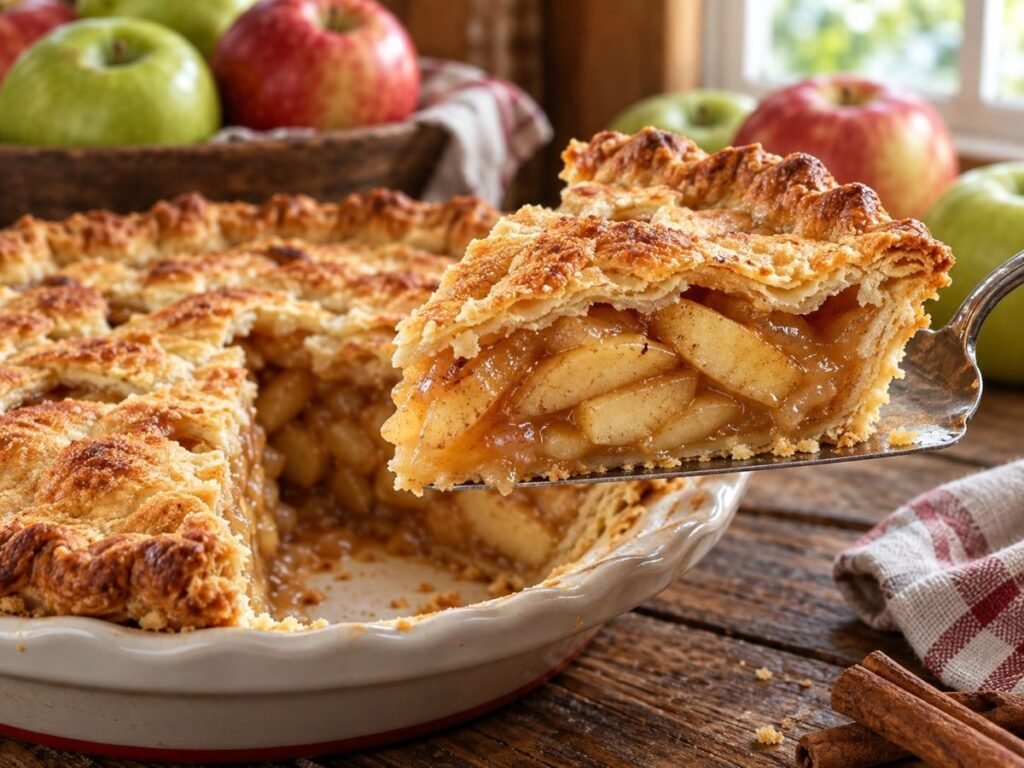
Apple pie is the toughest test for an apple. The filling bakes for an hour or more, and you want slices that are tender all the way through but still distinct, sitting in a thick, glossy sauce rather than a puddle.
Top picks: Granny Smith, Honeycrisp, Pink Lady, Braeburn, Northern Spy and Mutsu.
The best combination: half Granny Smith and half Honeycrisp (or Pink Lady). The Granny Smith brings tartness and structure, the second apple adds sweetness and juiciness. Some bakers also add one or two softer apples, like Golden Delicious or McIntosh, which melt slightly and help thicken the filling around the firmer slices.
Tip: firm apples shrink less as they bake, which helps prevent that empty gap between the filling and the top crust. Slice them about 1/4 inch thick and pack them in tightly. For a full recipe that puts all of this to work, see my homemade apple pie.
Best apples for cakes and muffins
In cakes, muffins and quick breads, apples are surrounded by batter and bake faster, so you have more freedom. You want pieces that soften and become jammy but don’t disappear or make the crumb soggy.
Top picks: Honeycrisp, Pink Lady, Braeburn, Jonagold, Golden Delicious and Fuji.
A mix of one tart and one sweet apple works beautifully here too. In this easy one-bowl apple cake, a tart Granny Smith paired with a sweet Honeycrisp or Pink Lady gives bright pockets of fruit throughout a soft cinnamon crumb. For muffins, chop the apples small (about 1/4-inch dice) so every bite gets some fruit, like in these apple cinnamon muffins with crumb topping.
If you’d rather get your apple flavor from cider instead of chunks, try this apple cider donut cake, where reduced cider gives a concentrated apple taste.
Best apples for crisps and crumbles
Crisps bake at a higher heat with no bottom crust, and the fruit is the star. You want apples that turn soft and saucy at the edges while the centers of the slices keep a little bite.
Top picks: Granny Smith, Honeycrisp, Braeburn, Pink Lady and Cortland.
Here, the tart-plus-sweet mix really shines because there’s a lot of sugar in the crumble topping. The tart apples keep the whole dish from tasting too sweet. This easy apple crisp with crunchy oat topping uses exactly that combination.
Best apples for applesauce and apple butter
This is where the soft apples win. For applesauce and apple butter, you want apples that break down quickly into a smooth texture.
Top picks: McIntosh, Gala, Golden Delicious, Jonathan, Jonagold and Fuji.
A mix gives the most interesting flavor. McIntosh adds tartness and breaks down fast, while Fuji or Gala add natural sweetness so you need less sugar. Firm apples like Granny Smith work too, but they take longer to cook down.
Apples to avoid for baking
- Red Delicious: its thick skin turns bitter and the flesh can be mealy and bland after baking. Keep it for snacking.
- McIntosh (on its own) in pies: it collapses into sauce. Great in small amounts mixed with firm apples, not as the only apple.
- Old, soft or wrinkled apples of any kind: they’ve already lost moisture and crispness, and they’ll bake up mushy. Use them for applesauce instead.
How many apples do I need?
Apple sizes vary a lot, so weighing is the most accurate way to measure. These are good general guidelines:
| Amount | Approximately equals |
|---|---|
| 1 medium apple | About 6 oz (170 g), or roughly 1 cup sliced or chopped |
| 1 pound of apples | About 3 medium apples, or 3 cups sliced |
| 9-inch apple pie | 2 1/2 to 3 pounds (6 to 8 medium apples) |
| 9×9-inch apple crisp | About 3 pounds (6 large apples) |
| 9×13-inch apple cake | About 3 medium apples (3 cups chopped) |
| 12 apple muffins | 1 to 2 medium apples (about 1 1/2 cups diced) |
For pies, it’s better to have an extra apple than one too few. Apples shrink as they bake, and a generously filled pie looks and slices better.
Prep tips: peeling, slicing and stopping browning
Should you peel apples for baking?
For pies, crisps and most cakes, peeling gives the most tender, even texture. Apple skins toughen a little in the oven and can curl up in a pie. For rustic bakes, muffins or applesauce you plan to blend, leaving the skins on is fine and adds a bit of color.
Slice evenly
Even slices cook at the same pace. For pies and crisps, aim for about 1/4 inch thick. For cakes and muffins, a small dice works best. A sharp knife and a steady hand are all you need, though an apple corer-slicer speeds things up when you’re working with a lot of fruit.
How to keep cut apples from browning
Cut apples turn brown when they’re exposed to air. To slow it down, toss the slices with a tablespoon of lemon juice right after cutting, or drop them into a bowl of cold water with a squeeze of lemon while you finish prepping, then drain well. Since most baking recipes already include lemon juice and sugar, tossing the slices with the filling ingredients as you go also works.
Warm up your spices
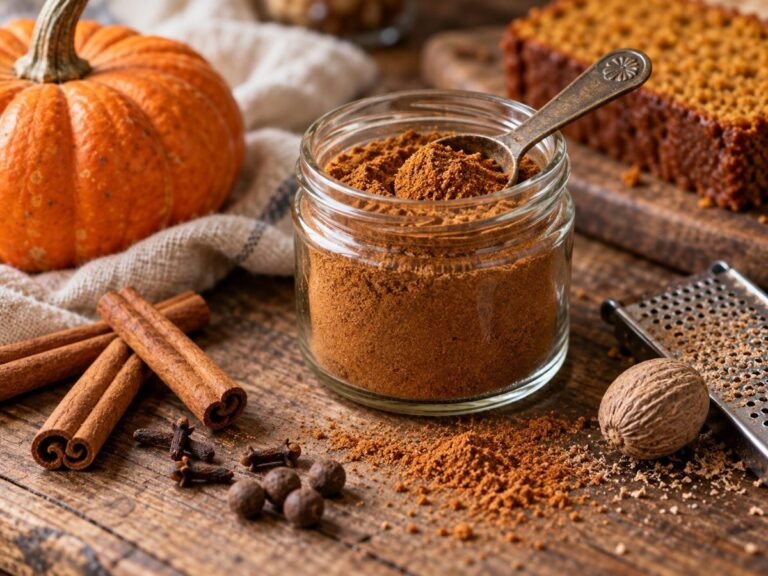
Cinnamon is the classic partner for apples, but a little nutmeg, allspice or ginger makes the flavor deeper and warmer. A spoonful of homemade pumpkin pie spice is an easy shortcut that covers all of them at once.
How to store apples
- Keep them cold. Apples soften quickly at room temperature. In the crisper drawer of the fridge, firm varieties stay crisp for weeks, often much longer than on the counter.
- Keep them apart from other produce. Apples release ethylene gas, which speeds up ripening in other fruits and vegetables nearby. Store them in a separate drawer or a loosely closed bag.
- Check them often. One soft or bruised apple can speed up the others. Use those first in applesauce or muffins.
- Bake soon after slicing. Once cut, apples are best used the same day.
Frequently asked questions
What is the single best apple for baking?
If you can only buy one kind, Granny Smith is the most reliable. It’s widely available, very firm and tart, and holds its shape in almost any recipe. Just add a little extra sugar if you prefer sweeter desserts.
Is Honeycrisp good for baking?
Yes. Honeycrisp is juicy and sweet-tart, and it holds its shape well. It’s especially good mixed with Granny Smith in pies and crisps. It’s often more expensive, so mixing it with a less pricey apple is also a smart way to stretch your budget.
Can I use Gala or Fuji apples for apple pie?
You can, but on their own they make a softer, sweeter filling. Mix them with a tart, firm apple like Granny Smith, and cut back slightly on the sugar.
Why is my apple pie filling watery?
Usually it’s a mix of very juicy apples and not enough thickener, or the pie was cut while still hot. Use firm apples, include flour or cornstarch in the filling, bake until the juices bubble thickly through the vents, and let the pie cool for a few hours before slicing.
Can I bake with frozen apples?
Yes, especially for crisps, muffins and applesauce. Frozen slices release more liquid as they thaw, so add an extra tablespoon of flour or cornstarch to the filling. For pies with distinct slices, fresh apples give better results.
Do I need to peel apples for apple crisp?
It’s not required. The peels soften in the oven, though they can be a bit chewy. Peeled apples give you the smoothest, most tender filling.
Helpful tools
- Apple peeler and corer: makes quick work of a big batch of apples.
- 9-inch deep-dish pie plate: gives you room for a generous apple filling.
- Kitchen scale: the most accurate way to measure apples by weight.
This post contains affiliate links. As an Amazon Associate I earn from qualifying purchases.
Apple recipes to try next
Want them all in one place? Browse our full list of easy apple recipes for fall, from pies and crisps to quick skillet apples.
- Easy Apple Crisp with Crunchy Oat Topping: tender cinnamon apples under big buttery oat clusters.
- Easy One-Bowl Apple Cake: a 9×13 snack cake packed with fresh apples.
- Apple Cider Donut Cake: all the flavor of orchard cider donuts in an easy bundt.
- Apple Cinnamon Muffins with Crumb Topping: tall, bakery-style muffins for fall mornings.
- No-Bake Pumpkin Pudding Squares: silky spiced pumpkin custard topped with buttery caramelized apples.
What’s your favorite baking apple? Tell me in the comments. Every region has its own local favorites, and other readers love hearing about new ones to try.