
Stand Mixer vs Hand Mixer: Which One Do You Really Need?
Choosing between a stand mixer vs hand mixer comes down to what you bake and how often. A hand mixer is small, affordable and handles most everyday jobs like whipped cream, cake batter and cheesecake filling. A stand mixer costs more and takes up counter space, but it kneads bread dough, mixes big batches and works hands-free while you do something else.
This guide explains the real differences, which recipes need which mixer, and what to look for when you shop, so you can buy the one that fits your kitchen.
How we wrote this guide: we haven’t put the specific models below through hands-on testing. This guide is based on how each type of mixer works, manufacturer specifications, and the mixing jobs our own recipes call for. This post contains affiliate links. As an Amazon Associate I earn from qualifying purchases.
The quick answer
- Get a hand mixer if you bake a few times a month, make cakes, cookies, frostings and whipped cream, have a small kitchen, or are on a budget.
- Get a stand mixer if you bake every week, make bread or cinnamon rolls, double cookie recipes, or want to whip meringue without holding a mixer for 10 minutes.
- Many bakers own both. The hand mixer handles quick small jobs; the stand mixer handles the heavy ones.
Stand mixer vs hand mixer: the main differences
| Hand mixer | Stand mixer | |
|---|---|---|
| Typical price | About $25 to $100 | About $200 to $500+ |
| Hands-free | No | Yes |
| Bread dough | Not recommended | Yes, with a dough hook |
| Batch size | Small to medium | Large, often double batches |
| Storage | Fits in a drawer | Lives on the counter |
| Weight | Light, a few pounds | Heavy, often 20+ pounds |
| Attachments | Beaters, sometimes a whisk | Paddle, whisk, dough hook, optional add-ons |
Prices change often and sales around the holidays can bring both types down, so use these ranges as a rough guide.
When a hand mixer is enough
For most home bakers, a good hand mixer covers the majority of recipes. It’s quick to grab, easy to clean and you can use it in any bowl or even a saucepan. Hand mixers are great for:
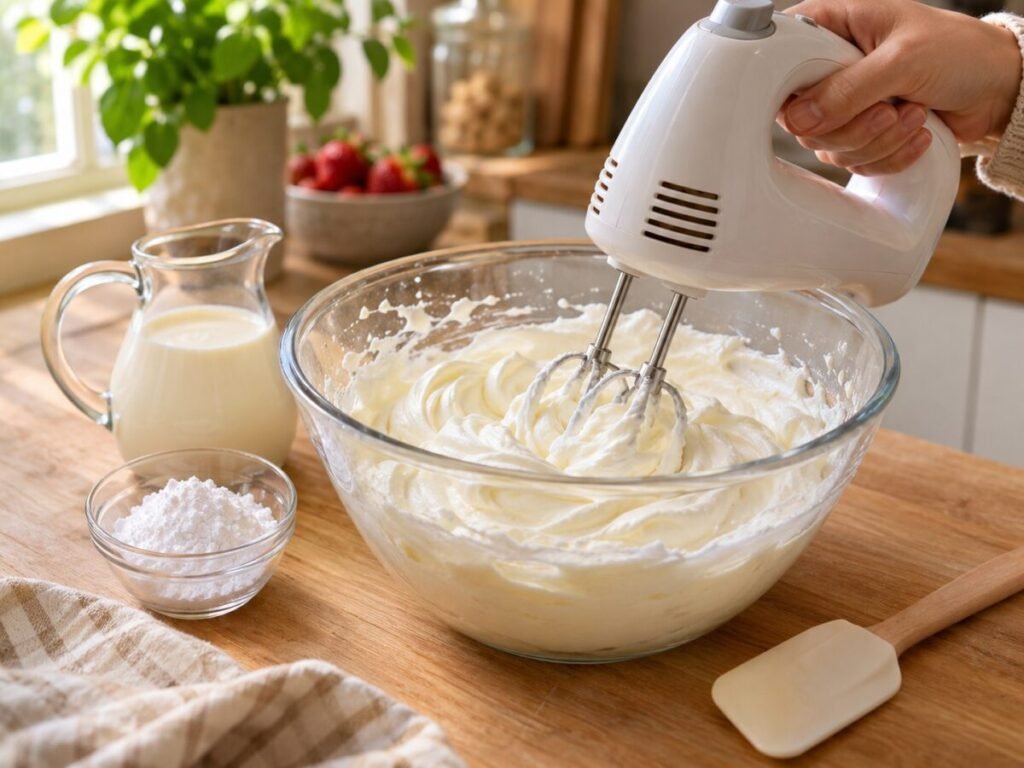
- Whipped cream, like the topping for our pumpkin ice cream pie.
- Cream cheese fillings, such as our no-bake salted caramel cheesecake.
- Cake batters and frostings, from boxed-mix upgrades to buttercream.
- Single batches of cookie dough, as long as the butter is properly softened.
- Mashed potatoes, if you like them extra smooth (mix on low and stop as soon as they’re creamy).
Where hand mixers struggle: stiff doughs, thick double batches and long whipping jobs. Heavy dough can strain the motor, and holding a mixer for 8 to 10 minutes to whip egg whites gets tiring.
When a stand mixer is worth it
A stand mixer earns its counter space if you bake often or make recipes that need real power or long mixing times:
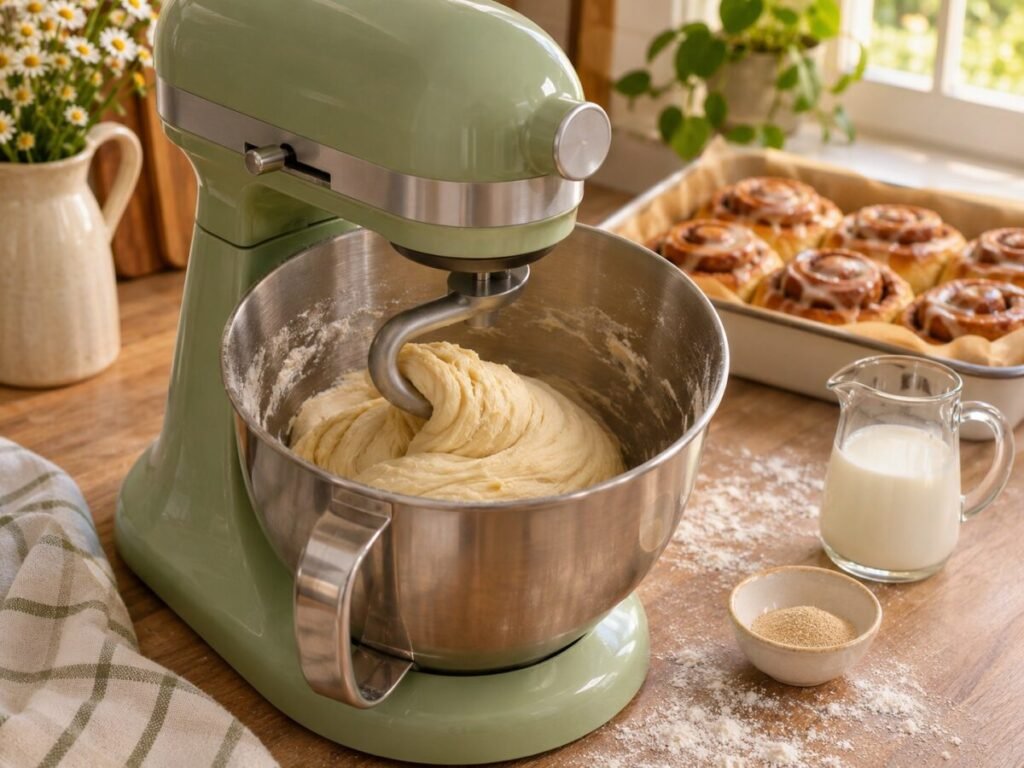
- Yeast doughs: bread, pizza dough and soft rolls like our pumpkin cinnamon rolls knead with the dough hook while you clean up.
- Big batches: holiday cookie baking, double cake recipes and large batches of frosting.
- Long whipping: meringue, angel food cake and fluffy frostings that take several minutes on high speed.
- Thick batters: dense cheesecake batter like our New York cheesecake mixes smoothly with the paddle.
The downsides are price, weight and space. If it has to live in a cabinet and come out every time, many people stop using it, so make sure you have a spot on the counter.
What to look for in a hand mixer
- A true low speed. A gentle first speed keeps flour and powdered sugar from flying out of the bowl.
- Several speeds. Five or more gives you control from stirring to whipping.
- Sturdy beaters. Wire-free stainless beaters without a center post are easier to clean.
- Comfort. A lighter body and a balanced handle matter when you mix for several minutes.
- Storage. A snap-on case or cord clip keeps beaters and the cord together in the drawer.
What to look for in a stand mixer
- Tilt-head or bowl-lift. Tilt-head models are shorter and easier to add ingredients to. Bowl-lift models are usually larger and sturdier for heavy bread doughs.
- Bowl size. About 5 quarts suits most home kitchens. Go bigger only if you bake bread often or cook for a crowd.
- The three basic attachments. A flat paddle, a wire whisk and a dough hook should be included.
- Height. Measure the space under your upper cabinets before you buy; tilt-head models need room to open.
- Weight and stability. A heavier base stays put when kneading stiff dough.

Popular options to consider
These are widely available, well-known models in each category. Check the current price and recent owner reviews on Amazon before you buy.
- KitchenAid hand mixer: a popular multi-speed hand mixer from a well-known baking brand, a good fit if you want a compact mixer for everyday jobs.
- KitchenAid Artisan stand mixer: a classic tilt-head, 5-quart stand mixer that comes with a paddle, whisk and dough hook and fits most home kitchens.
Shopping for someone else? Our gifts for bakers guide has more ideas at every budget.
Mixer care and safety
Always unplug a mixer before removing beaters or scraping the bowl, and keep hair, sleeves and spatulas away from moving parts. Wash beaters, whisks and bowls in hot soapy water after mixing raw eggs or dough, following FoodSafety.gov’s clean and separate steps. Wipe the body of the mixer with a damp cloth; never put the motor in water.
Stand mixer vs hand mixer FAQ
Is a stand mixer better than a hand mixer?
Not better, just suited to different jobs. A stand mixer is more powerful and hands-free; a hand mixer is cheaper, smaller and quicker for small tasks.
Can I use a hand mixer instead of a stand mixer?
For most cake, cookie, frosting and whipped cream recipes, yes. Mix a little longer and scrape the bowl often. For bread dough, knead by hand instead.
Can a hand mixer knead bread dough?
Some hand mixers come with dough hooks for soft, small batches, but stiff bread dough can overwork the motor. Kneading by hand for 8 to 10 minutes is safer for the mixer.
What size stand mixer should I buy?
About 5 quarts is the most common home size and handles a standard batch of cookies or one loaf of bread easily. Larger bowls suit frequent bread bakers and big families.
Do I need a mixer for whipped cream?
No, but it helps. You can whip cream by hand with a whisk in a cold bowl in about 5 minutes; a mixer does it in 2 to 3.
Which mixer is best for a beginner baker?
A hand mixer. It’s affordable, covers most beginner recipes, and you’ll learn what you bake most before deciding whether a stand mixer is worth it.
Ready to put your mixer to work? Start with our easy dessert recipes.