Soft and Chewy Snickerdoodles
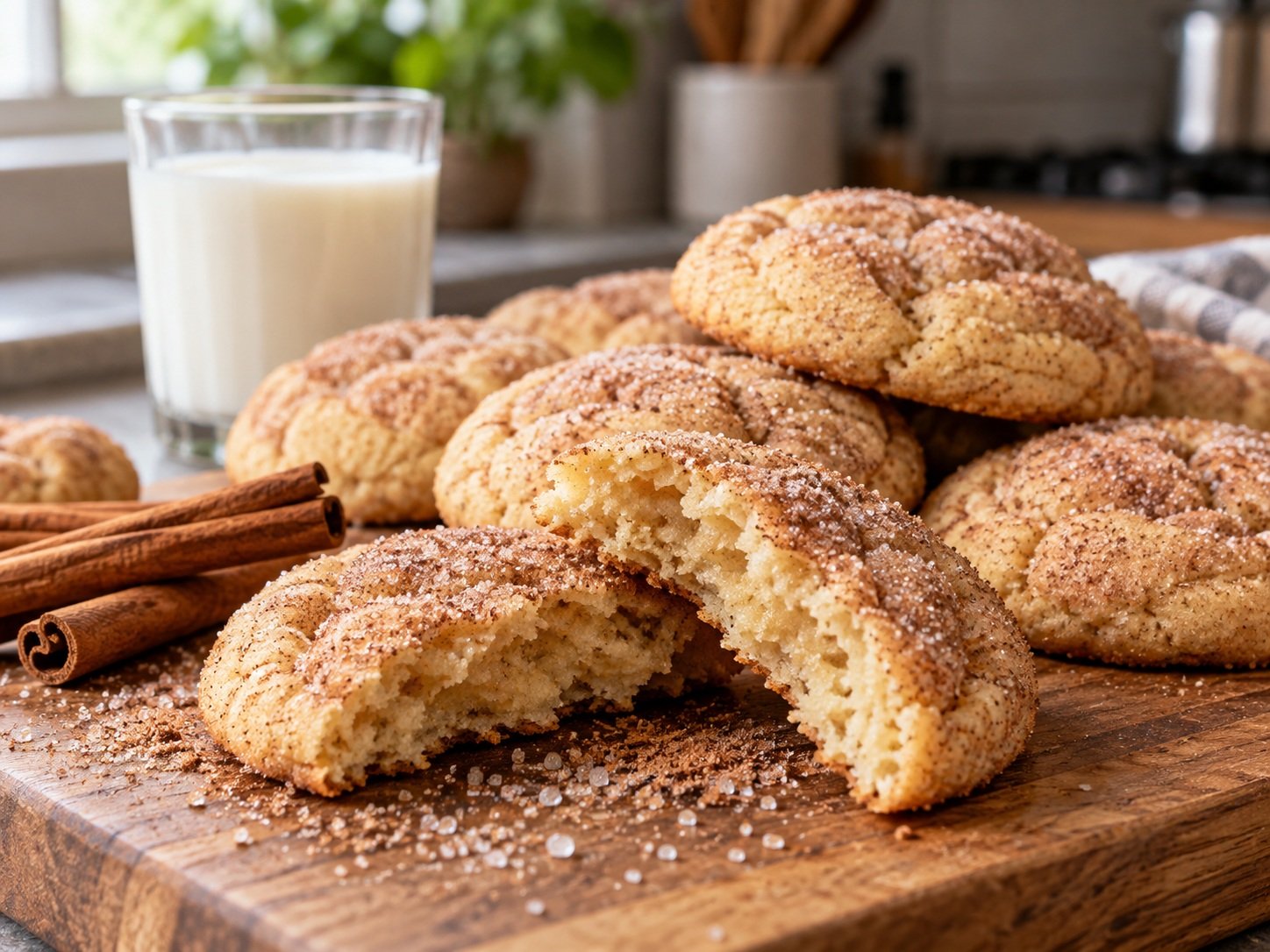
Snickerdoodles were the first cookie I learned to make on my own, and they’re still the one I bake most. They’re simple: butter, sugar, a little vanilla, and a thick coat of cinnamon sugar. But a good one has a crackly, sparkly top, edges with a slight crunch, and a soft center with that faint tang that makes it a snickerdoodle and not just a sugar cookie.
Getting all of that at once comes down to a few things: the right butter temperature, a short chill, and pulling them from the oven while they still look a little underbaked. Here’s how I do it.
Ingredient notes
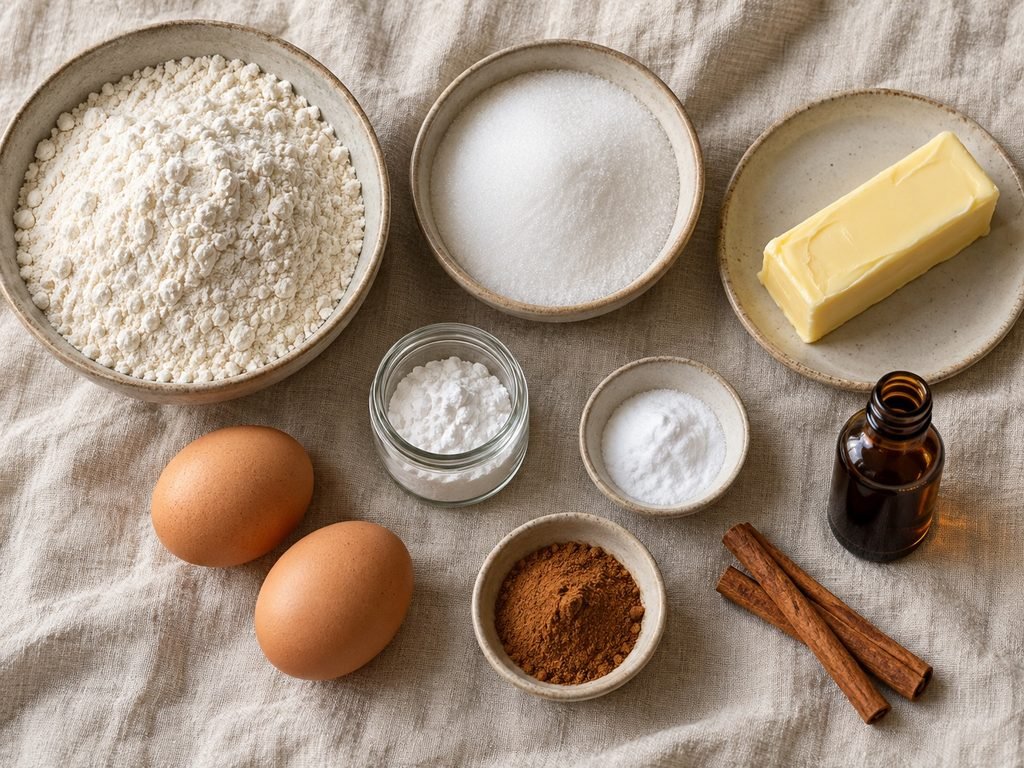
- Cream of tartar. This is what makes a snickerdoodle. It gives the cookie its gentle tang, and together with baking soda it creates that soft, chewy, slightly puffy texture. You’ll find it in the spice aisle. If you don’t have any, there’s a swap in the recipe notes, but the cookies will taste and feel different.
- Butter. Softened, but still cool. Press it with a finger and it should leave a dent without feeling greasy or shiny. Butter that’s too warm is the number one reason snickerdoodles spread flat.
- Granulated sugar. Only white sugar here. Brown sugar would make them chewier but darker and more caramel-flavored, closer to a cinnamon cookie than a classic snickerdoodle.
- Flour. Spoon and level it, or weigh it. Too much flour gives you dry, cakey cookies that don’t crackle on top.
- Cinnamon sugar. I use a ratio of 4 parts sugar to 1 part cinnamon, a little heavier on the cinnamon than most. Be generous when you roll the dough balls.
How to make snickerdoodles
1. Whisk the dry ingredients. Flour, cream of tartar, baking soda and salt go into a bowl and get whisked well, so the leaveners are spread evenly through the flour.
2. Cream the butter and sugar. Beat them together for a full 2 to 3 minutes, until the mixture looks pale and fluffy. This is where the cookies get their lift and soft texture, so don’t rush it. Then add the eggs one at a time and the vanilla.
3. Add the flour. Mix on low just until the flour disappears. The dough will be soft and a little sticky.
4. Chill for 30 minutes. A short rest in the fridge firms up the butter, which keeps the cookies thick and chewy instead of thin and crisp. It also makes the dough much easier to roll. Don’t go much longer than an hour, or the cookies won’t spread enough to crack on top.
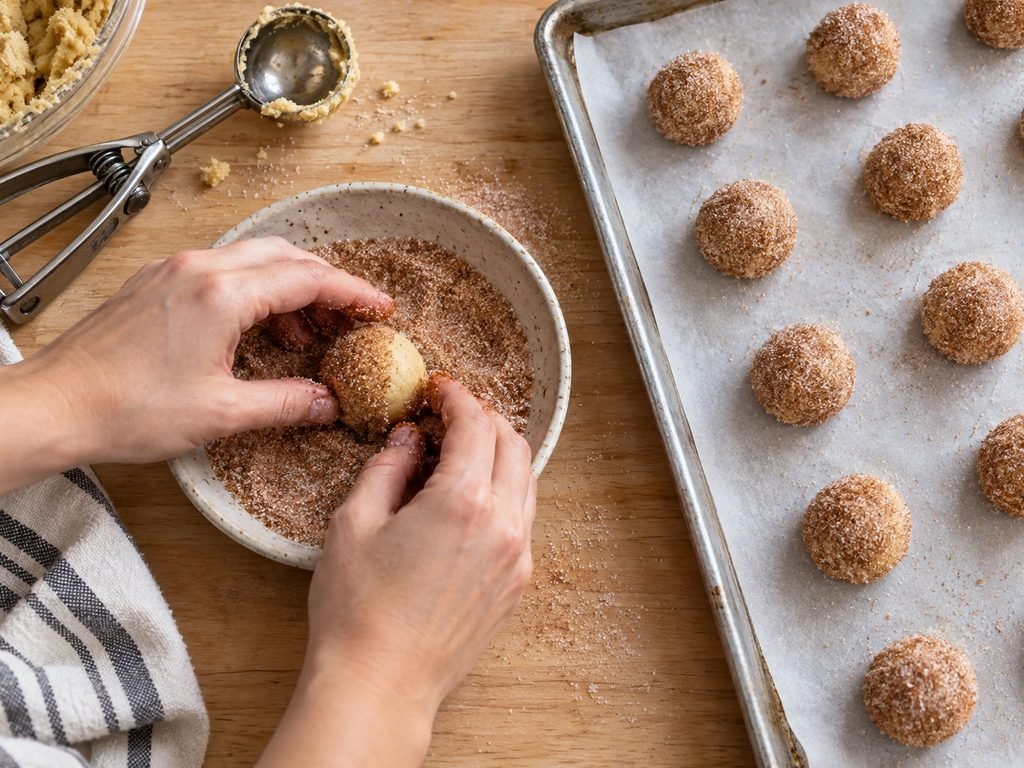
5. Roll in cinnamon sugar. Scoop balls of about 1 1/2 tablespoons, roll them smooth between your palms, and roll them around in the cinnamon sugar until they’re completely coated. Smooth balls bake into rounder cookies with a more even crackle.
6. Bake until they look underdone. At 375°F (190°C), they need 9 to 11 minutes. Take them out when the edges are set but the centers still look puffy and a bit soft. They’ll sink as they cool, and that’s what creates the crinkly top. If you wait until the centers look done in the oven, they’ll be dry once cool.
7. Let them rest on the sheet. Leave them on the hot baking sheet for 5 minutes to finish setting, then move them to a rack.
Troubleshooting
- Flat cookies. The butter was too soft, the dough wasn’t chilled, or the baking sheet was still warm from the last batch. Always put dough on a cool sheet.
- Puffy and cakey. Too much flour or a minute or two too long in the oven. Measure carefully and pull them earlier.
- No crackly top. Usually overchilled dough or overbaking. The centers need to be soft when they come out so they can sink and crack.
- Coating fell off. Roll the balls twice, and press the cinnamon sugar on lightly the second time.
Variations
- Chai snickerdoodles. Add 1/2 teaspoon each of ground ginger and cardamom and a pinch of cloves to the cinnamon sugar.
- Bakery-style. Make bigger 3-tablespoon balls and bake 12 to 14 minutes. You’ll get about 15 large, extra-soft cookies.
- Holiday platter. These are sturdy, travel well and keep for days, which makes them one of the best cookies for gift boxes.
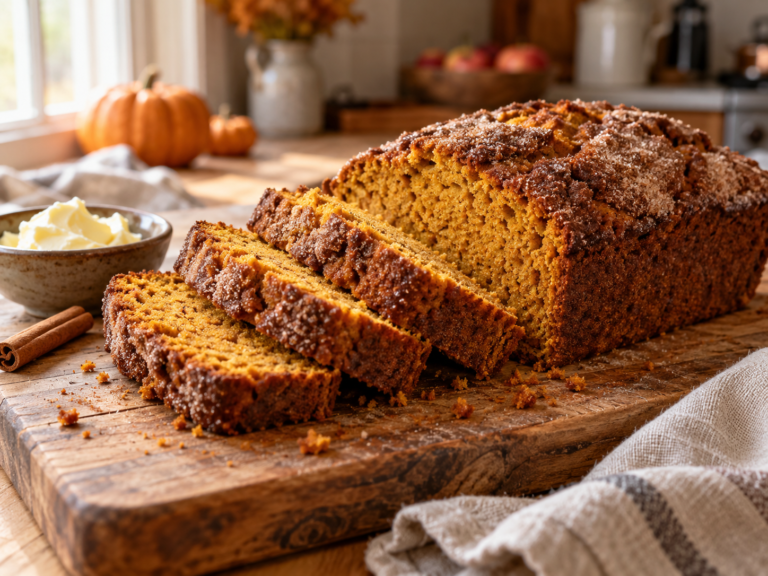
Love warm cinnamon flavors? My moist pumpkin bread is another one-bowl favorite for fall.
Storing and freezing
Keep cooled snickerdoodles in an airtight container at room temperature for up to 5 days. They stay soft the whole time. Baked cookies also freeze well for up to 3 months.
My favorite way to freeze them is as dough. Roll the balls in cinnamon sugar, freeze them on a tray until firm, then move them to a freezer bag. Bake straight from frozen whenever you want a few warm cookies, adding a minute or two to the time.
Snickerdoodle questions
What does cream of tartar do in snickerdoodles?
It’s an acid. It reacts with the baking soda to make the cookies rise, gives them a soft and chewy texture, and adds the slightly tangy flavor that sets snickerdoodles apart from sugar cookies.
Do I need a mixer?
It helps, because creaming butter and sugar by hand takes a lot of effort. If you don’t have one, use a wooden spoon and properly softened butter, and beat for 4 to 5 minutes.
Why are my snickerdoodles hard the next day?
They were baked a little too long or stored without an airtight lid. Pull them while the centers look soft, and keep them sealed once they’re completely cool.
If you bake a batch, leave a comment and tell me: crispy edges or extra soft? I’m firmly team soft.
Soft and Chewy Snickerdoodles
Ingredients
Method
- Whisk the flour, cream of tartar, baking soda and salt in a medium bowl.
- In a large bowl, beat the butter and sugar with a mixer on medium speed for 2 to 3 minutes, until pale and fluffy. Beat in the eggs one at a time, then the vanilla.
- Add the dry ingredients and mix on low just until no dry flour remains.
- Cover the bowl and chill the dough for 30 minutes.
- Heat the oven to 375°F (190°C) and line two baking sheets with parchment. Stir the coating sugar and cinnamon together in a small bowl.
- Scoop the dough into 1 1/2 tablespoon balls (about 35 g), roll them smooth, then roll each one generously in the cinnamon sugar. Place them 2 inches apart.
- Bake one sheet at a time for 9 to 11 minutes, until the edges are set and the centers are puffed and still look slightly underdone.
- Cool on the baking sheet for 5 minutes, then move to a wire rack.
Notes
- No cream of tartar: replace the cream of tartar and baking soda with 2 tsp baking powder. The cookies will be softer and more cake-like, without the tang.
- Bakery-size cookies: use 3-tablespoon balls and bake 12 to 14 minutes. Makes about 15.
- Freeze the dough: freeze coated dough balls up to 3 months. Bake from frozen, adding 1 to 2 minutes.
- Storage: airtight at room temperature up to 5 days.